Strength training has become one of the most effective ways to improve overall health, increase physical performance, and enhance quality of life. While many people associate strength training with bodybuilders or athletes, the reality is that it offers remarkable benefits for everyone, regardless of age or fitness level. Whether you are just beginning your fitness journey or looking to improve your current routine, incorporating strength training into your weekly schedule can help you achieve long-term health and wellness.
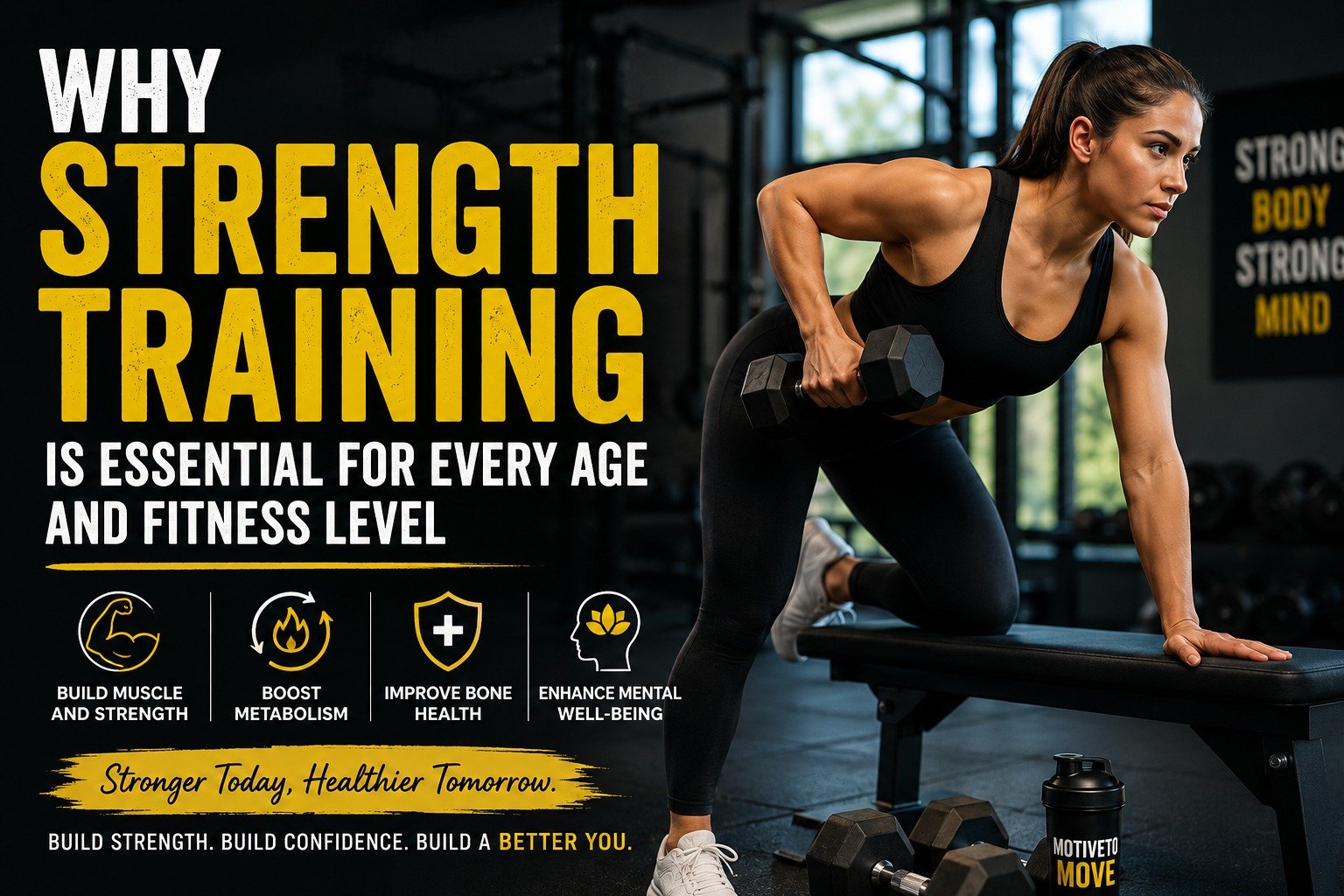
One of the greatest advantages of strength training is its ability to build lean muscle mass. As we age, our bodies naturally lose muscle, which can lead to weakness, poor posture, and reduced mobility. Regular resistance exercises help preserve and increase muscle mass, making everyday activities easier while improving balance and coordination. Strong muscles also provide better support for the joints, reducing the risk of injuries and chronic pain.
Strength training is also one of the most effective methods for boosting metabolism. Unlike cardio exercises that primarily burn calories during the workout, resistance training helps your body continue burning calories even after the session has ended. This happens because muscle tissue requires more energy to maintain than fat tissue. As your muscle mass increases, your resting metabolic rate also improves, making it easier to manage body weight and reduce excess fat over time.
Many people begin exercising to lose weight, but they often overlook the importance of preserving muscle while reducing body fat. Crash diets and excessive cardio can sometimes result in muscle loss along with fat loss. Strength training helps maintain lean muscle while encouraging the body to burn stored fat, leading to a healthier and more toned appearance rather than simply reducing body weight.
Another important benefit of resistance training is improved bone health. As people grow older, bone density naturally decreases, increasing the risk of fractures and osteoporosis. Weight-bearing exercises stimulate bone growth and strengthen the skeletal system, making strength training especially valuable for adults and seniors who want to remain active and independent throughout their lives.
Mental health also improves significantly through regular strength training. Physical activity stimulates the release of endorphins, which naturally reduce stress, anxiety, and symptoms of depression. Completing challenging workouts also builds confidence and creates a sense of achievement that positively impacts other areas of life. Many individuals notice better concentration, improved sleep quality, and greater emotional resilience after consistently following a strength-training routine.
Contrary to common misconceptions, strength training does not require heavy weights or expensive gym equipment. Beginners can achieve excellent results using their own body weight through exercises such as squats, push-ups, lunges, planks, and glute bridges. Resistance bands, kettlebells, or light dumbbells can gradually be introduced as strength improves. The most important factor is maintaining proper technique and increasing intensity gradually to avoid injuries.
Nutrition plays a crucial role in supporting strength training. Consuming sufficient protein helps repair and build muscle tissue after exercise, while healthy carbohydrates provide the energy needed for workouts. Drinking enough water and getting adequate sleep are equally important because recovery is when muscles grow stronger. Without proper recovery, progress may slow and the risk of overtraining increases.
Consistency is the foundation of successful strength training. Many people expect dramatic changes within a few weeks, but meaningful transformations require patience and dedication. Performing strength exercises two to four times per week while allowing muscles adequate time to recover creates steady improvements in strength, endurance, flexibility, and overall fitness.
Strength training is not simply about lifting weights; it is about building a stronger body that supports a healthier lifestyle. Whether your goal is weight management, increased energy, better posture, improved athletic performance, or healthy aging, resistance training provides benefits that extend far beyond physical appearance. Every workout is an investment in your long-term health and well-being.
At MotivetoMove, we believe that fitness should be accessible to everyone. With the right guidance, proper technique, and a consistent approach, anyone can experience the life-changing benefits of strength training and enjoy a healthier, stronger, and more confident future.
Conclusion
Strength training is one of the most valuable forms of exercise for people of all ages. It strengthens muscles, improves metabolism, protects bones, enhances mental health, and supports sustainable weight management. By making resistance training a regular part of your fitness routine, you invest in a healthier body and a more active life. Start where you are, stay consistent, and remember that every workout brings you one step closer to becoming stronger than yesterday.
Frequently Asked Questions
How often should beginners do strength training?
Beginners should aim for two to three strength-training sessions per week while allowing at least one day of recovery between workouts for the same muscle groups.
Can strength training help with weight loss?
Yes. Strength training increases muscle mass, boosts metabolism, and helps the body burn more calories, making it an effective part of any weight-loss plan.
Is strength training safe for older adults?
Yes. When performed with proper guidance and appropriate resistance, strength training is highly beneficial for older adults as it improves muscle strength, balance, and bone density.
Do I need a gym to start strength training?
No. Many effective strength-training exercises can be performed at home using body weight, resistance bands, or light dumbbells.
How long does it take to see results?
Most people begin noticing improvements in strength and energy within four to six weeks, while visible body changes typically become noticeable after eight to twelve weeks of consistent training and proper nutrition.